

Our Verdict
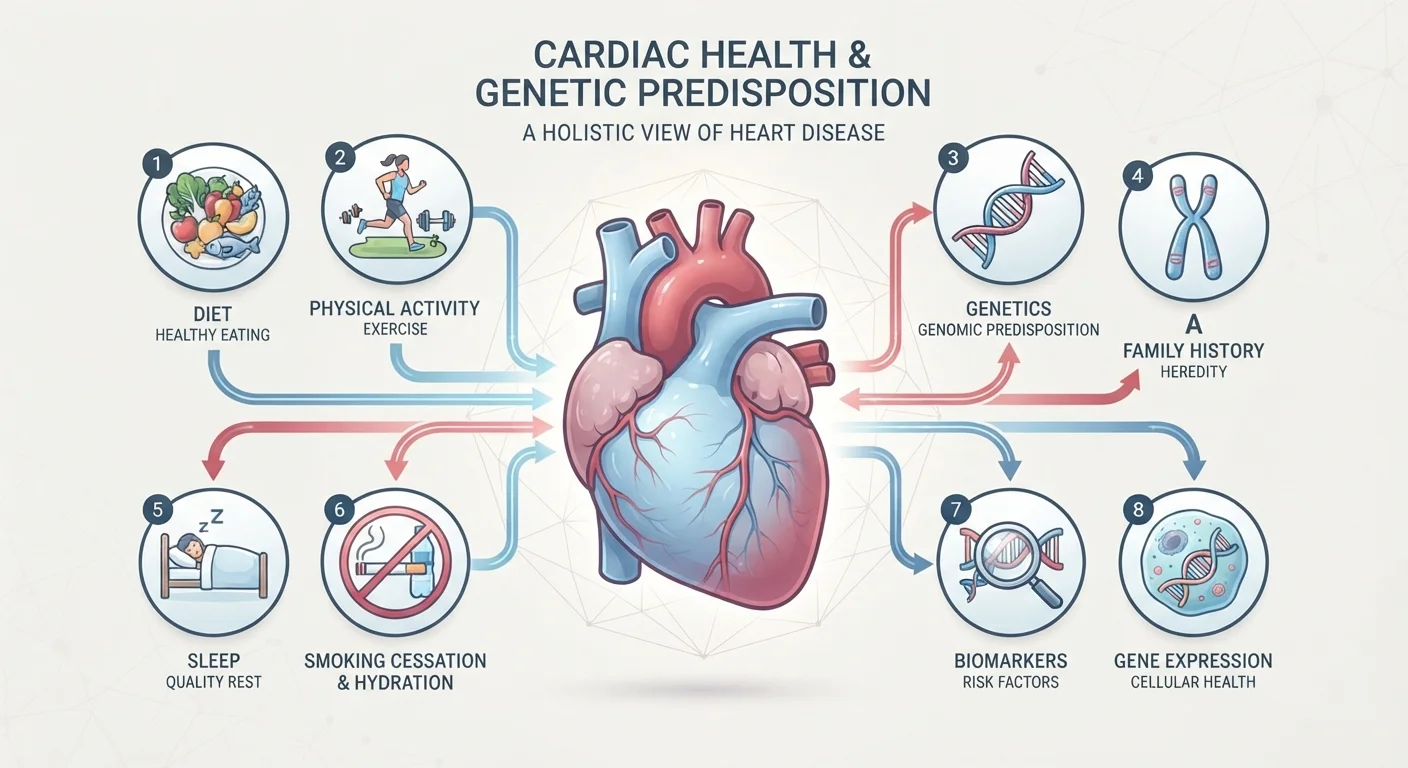
Heart disease risk is shaped by a mix of fixed biological factors and changeable lifestyle ones. People with uncontrollable risks, such as a strong family history or older age, have the most to gain from addressing the factors they can influence. Those without obvious inherited risk still benefit from the same habits, because modifiable factors account for a substantial share of cardiovascular events.
| Best for | Recommended |
|---|---|
| People with a family history of heart disease | Focus on modifiable factors |
| Adults with no known risk factors | Focus on modifiable factors |
| Anyone managing existing conditions like hypertension or diabetes | Focus on modifiable factors with medical guidance |
Why the distinction matters
Cardiovascular disease is the leading cause of death in the United States, yet a large proportion of cases involve risk factors that respond to behavior and medical treatment. Understanding which risks are fixed and which are changeable helps you decide where to direct attention, and it helps clinicians prioritize care.
This is not about assigning blame for health outcomes. Fixed risks exist independently of any choices a person makes. The point is practical: when you cannot change one factor, managing the others carries more weight.
| Factor | Controllable? | Primary levers | |
|---|---|---|---|
| Age | No | Not applicable | |
| Biological sex | No | Not applicable | |
| Family history / genetics | No | Inform screening frequency | |
| Blood pressure | Yes | Diet, activity, medication | |
| LDL cholesterol | Yes | Diet, activity, medication | |
| Smoking | Yes | Cessation support | |
| Physical inactivity | Yes | Regular moderate exercise | |
| Blood sugar / diabetes | Partially | Diet, activity, medication | |
| Body weight | Partially | Diet and activity changes | |
| Chronic stress and sleep | Partially | Behavioral strategies, clinical support |
Risk factors you cannot control
Age. The risk of heart disease rises with age. Men face increased risk after around 45; women after around 55, partly because estrogen provides some protection before menopause. The heart and blood vessels accumulate wear over time regardless of how well a person lives.
Biological sex. Men tend to develop coronary artery disease earlier than women. Women often catch up after menopause, and their symptoms can differ from the classic presentation, which sometimes leads to delayed diagnosis.
Family history and genetics. A parent or sibling who had a heart attack before age 55 (for a male relative) or 65 (for a female relative) raises your own risk meaningfully. Certain inherited conditions, such as familial hypercholesterolemia, cause elevated cholesterol regardless of diet. Genetic background also influences how the body processes fats, regulates blood pressure, and responds to inflammation.
Race and ethnicity. Some populations carry higher baseline cardiovascular risk. Black adults in the U.S. have higher rates of hypertension and stroke than white adults, a disparity shaped by both genetic factors and systemic social determinants of health.
Risk factors you can influence
High blood pressure (hypertension). Sustained high blood pressure damages artery walls and forces the heart to work harder. It is often called a silent condition because it produces no obvious symptoms until significant harm has occurred. Blood pressure responds to reduced sodium intake, regular physical activity, weight management, limiting alcohol, and, when necessary, medication.
High LDL cholesterol and low HDL cholesterol. LDL cholesterol contributes to plaque buildup in arteries. HDL cholesterol helps remove excess cholesterol from the bloodstream. Diet, exercise, and medication can shift both numbers in a favorable direction.
Smoking and tobacco use. Smoking damages blood vessel linings, raises blood pressure, reduces HDL cholesterol, and promotes clotting. The risk of heart disease drops measurably within months of quitting and continues to fall over years.
Physical inactivity. Sedentary behavior is independently associated with higher cardiovascular risk. Regular moderate-intensity movement, such as brisk walking, supports healthy blood pressure, weight, blood sugar, and cholesterol levels.
Type 2 diabetes and blood sugar control. Elevated blood glucose damages blood vessels over time. Many people with prediabetes can delay or prevent progression through dietary changes and increased activity. For those with established diabetes, good glycemic control lowers cardiovascular risk.
Excess body weight. Carrying excess weight, especially around the abdomen, is associated with higher blood pressure, worse cholesterol profiles, and greater insulin resistance. Modest weight reduction can produce measurable improvements in several risk markers simultaneously.
Diet quality. Diets high in sodium, saturated fat, and ultra-processed foods are linked to worse cardiovascular outcomes. Diets that include vegetables, legumes, whole grains, and unsaturated fats are associated with lower risk, according to established nutritional research.
Chronic stress and sleep. Persistent psychological stress and poor sleep are associated with elevated blood pressure and inflammation. While the mechanisms are still being studied, both factors appear in clinical guidelines as areas worth addressing.
Talk to your doctor about your numbers
Blood pressure, LDL cholesterol, blood glucose, and body weight are all measurable. Knowing your current values gives you and your doctor a concrete baseline to work from. Routine screenings can catch changes early, before they cause symptoms.
How the two categories interact
Fixed and modifiable factors do not act in isolation. Someone with a genetic predisposition to high cholesterol who also smokes and is physically inactive faces a compounded risk that is far greater than any single factor alone. Conversely, a person with a strong family history who maintains healthy blood pressure, does not smoke, and manages blood sugar effectively may substantially offset inherited disadvantage.
This interaction is why clinicians use composite scoring tools, such as the Pooled Cohort Equations used in U.S. guidelines, to estimate ten-year cardiovascular risk. These tools weigh multiple factors together rather than treating each one in isolation.
If you are uncertain about your personal risk profile, a conversation with a healthcare provider is the most direct path to clarity. They can assess your numbers, account for your history, and recommend whether lifestyle changes alone are sufficient or whether medication would also help. This article is for general informational purposes and is not a substitute for medical advice.
This article is for informational purposes only and does not constitute medical advice. Speak with a qualified healthcare professional for guidance specific to your health situation.