

Health & Wellness Editorial Team

Body Weight vs. Body Composition: Why the Scale Tells an Incomplete Story
The number on a scale reflects water, muscle, bone, and fat together. Understanding body c…

Building a Workout Routine When You Have Zero Athletic Background
Starting from scratch with fitness feels overwhelming. This guide walks through realistic …

Common Beliefs About Metabolism That Do Not Hold Up to Scrutiny
From eating small meals to boost metabolism to the idea that some people are simply cursed…

Dietary Fat: Why Four Decades of Avoidance Left a Complicated Legacy
Low-fat advice dominated nutrition for years. A look at how that guidance evolved, what re…

Eating Patterns Compared: Intermittent Fasting, Three Meals, and Grazing
There is no single eating schedule that suits everyone. A balanced look at how different m…

Fiber: The Nutrient Most Adults Are Not Getting Enough Of
Dietary fiber affects digestion, satiety, and long-term health, yet most adults fall short…
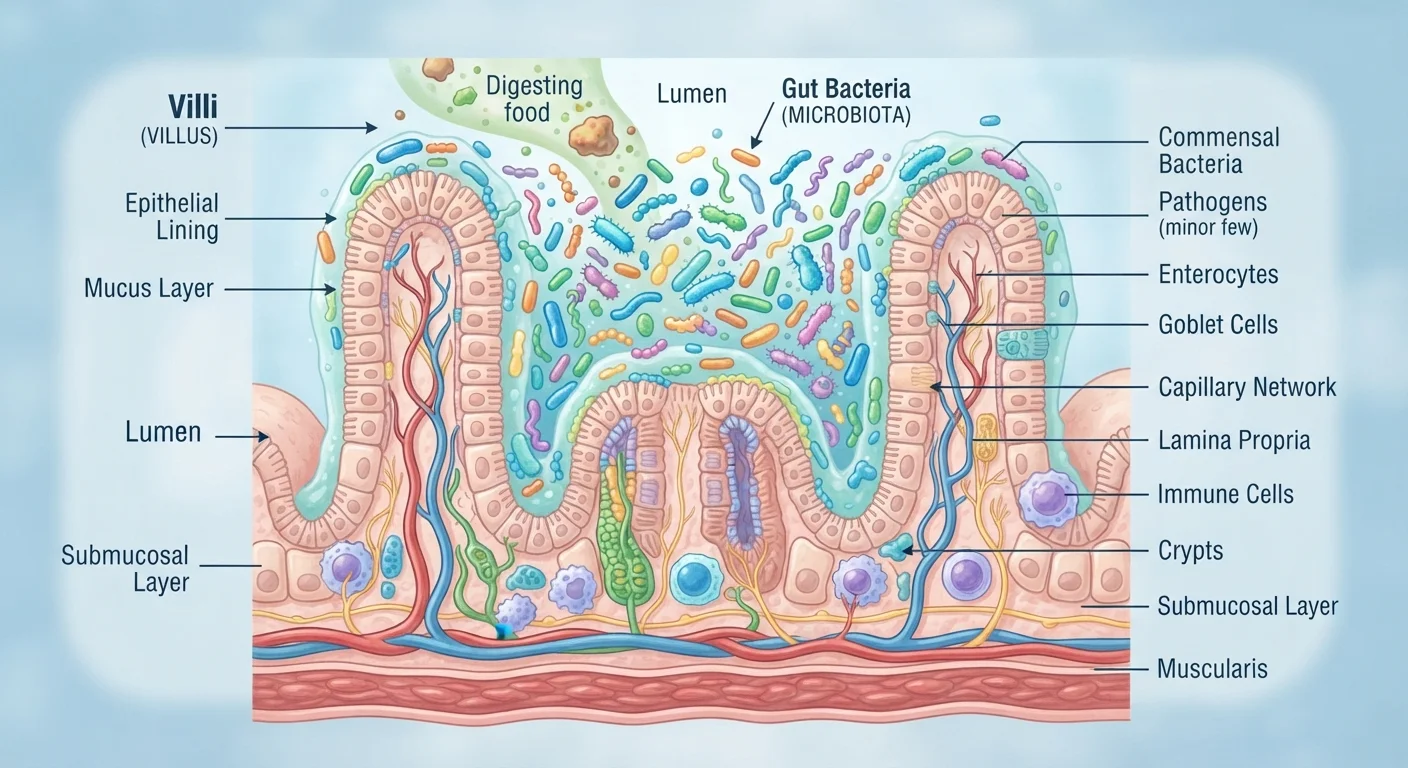
Gut Health in Plain Language: What the Microbiome Actually Is
Gut health has become a buzzword, but the underlying science is real. This explainer cover…

Mobility Work: What It Is, Why It Matters, and Where to Start
Mobility training sits between stretching and strength work. Learn what it involves, the d…

Nutrition Fundamentals: A Reference Guide for Everyday Eating
A concise lookup resource covering key nutrition terms, daily reference values, micronutri…

Practical Ways Adults Can Add More Vegetables to Meals They Already Make
Eating more vegetables does not require overhauling your diet. Low-friction strategies for…

Protein Intake for Adults Who Are Not Bodybuilders
Most protein conversations focus on athletes. This article covers what everyday adults act…

Sedentary Work and Your Body: Managing the Effects of a Desk-Based Day
Prolonged sitting is associated with a range of physical concerns. Practical, evidence-inf…

Signs Your Exercise Routine May Be Doing More Harm Than Good
Overtraining is real but widely misunderstood. Learn the physical and psychological signal…

Sleep, Recovery, and Physical Health: The Connection Most People Underestimate
Fitness gains and nutritional choices both depend on quality sleep. Explore how the body r…

Strength Training vs. Cardio: What the Evidence Actually Says
The debate between lifting and running has a more nuanced answer than most fitness content…

Why Crash Diets Produce Short-Term Results and Long-Term Setbacks
Severely restricting calories often leads to predictable rebound. A look at the physiologi…

A Plain-Language Guide to Attachment Styles in Adults
Attachment theory isn't just for childhood. Discover how adult attachment patterns form, w…

Cognitive Behavioral Therapy vs. Talk Therapy: What's the Difference?
CBT and traditional talk therapy are both widely used, but they work in different ways. Un…

Common Misunderstandings About Therapy That Keep People From Trying It
Outdated ideas about what therapy involves stop many people from seeking help. Here's a fa…

Emotional Regulation: A Practical Glossary of Key Terms
From dysregulation to window of tolerance, emotional health language can be confusing. Thi…

Grief vs. Depression: Understanding an Important Distinction
Grief and depression can look similar from the outside. Learn how they differ, where they …

How Journaling Supports Mental Health (and Where It Has Limits)
Journaling is often recommended for stress and self-reflection. Understand what the resear…

Mental Health Myths That Still Circulate (and What the Evidence Says)
From "just think positively" to "therapy is only for serious illness," common mental healt…

Mental Health in the Workplace: What Every Employee Should Understand
Work-related stress, burnout, and psychological safety are increasingly recognized as work…
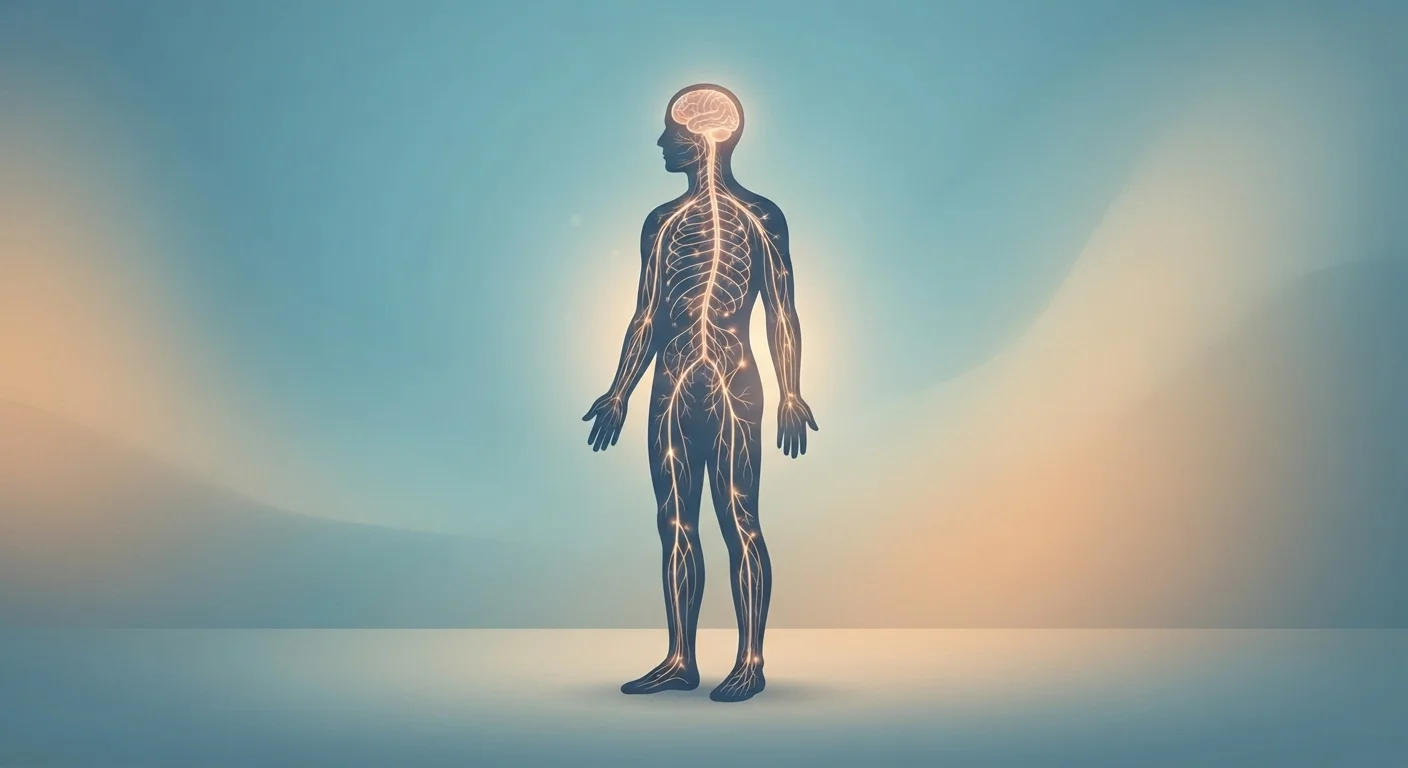
Nervous System States and Why They Shape How You Feel Day to Day
Your nervous system cycles through different states that influence mood, focus, and stress…

Passive Rest vs. Active Recovery: Which One Actually Recharges You?
Lying on the couch and going for a walk both count as rest, but they work differently. Und…

Reading a Mental Health Crisis Plan: What One Contains and Why It Helps
A mental health crisis plan is a documented guide for difficult moments. Learn what it typ…

Rumination vs. Reflection: Telling the Difference When You're Stuck in Your Head
Not all self-focused thinking is harmful. Understand the line between productive reflectio…

Self-Compassion vs. Self-Esteem: Two Concepts That Are Easily Confused
Self-compassion and self-esteem both relate to how you see yourself, but they work in very…

Sleep Hygiene: What the Term Actually Means and How to Apply It
Sleep hygiene is more than avoiding screens before bed. This reference breaks down the ful…

The Mind-Body Connection: What It Is and Why Researchers Study It
The phrase "mind-body connection" appears in wellness discussions constantly. Here's what …

What Therapists Mean When They Talk About "the Window of Tolerance"
The window of tolerance is a key concept in trauma-informed care. Learn what it means, why…

ADHD in Adults: What the Condition Looks Like Beyond Childhood
ADHD is not just a childhood diagnosis. Explore how the condition presents differently in …

Asthma Triggers: A Reference Guide to Common Causes and Categories
A concise lookup resource covering the main environmental, physical, and emotional trigger…

Celiac Disease vs. Non-Celiac Gluten Sensitivity: Key Differences
Both involve reactions to gluten, but their mechanisms, severity, and implications differ.…
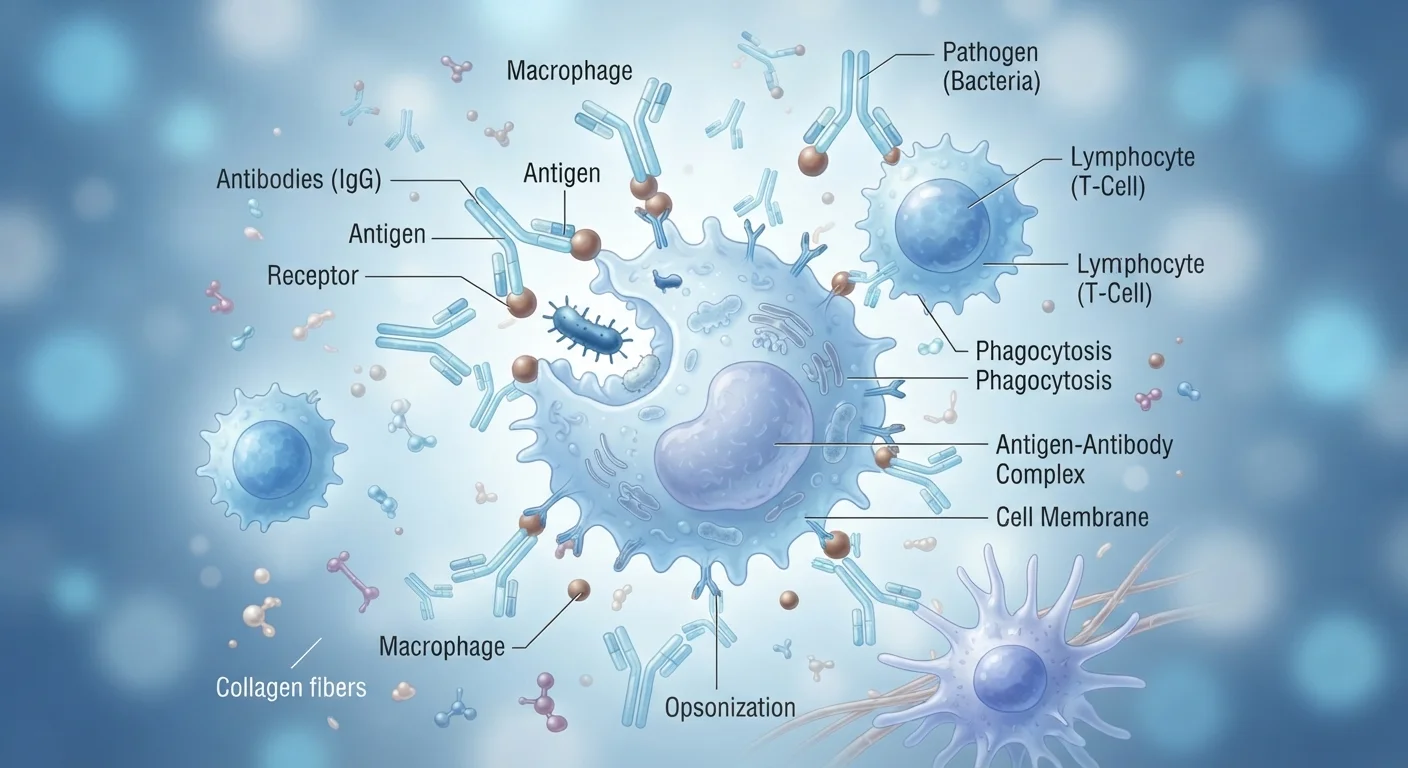
Common Autoimmune Conditions: A Reference Glossary of Terms and Concepts
From antibodies to flares, autoimmune terminology can be confusing. A compact reference co…

Depression: What the Condition Actually Involves Beyond Sadness
Depression is often reduced to feeling sad, but the condition touches sleep, cognition, en…

Eczema Across the Lifespan: How the Condition Shifts from Childhood to Adulthood
Eczema does not always look or behave the same at every age. Learn how patterns, triggers,…
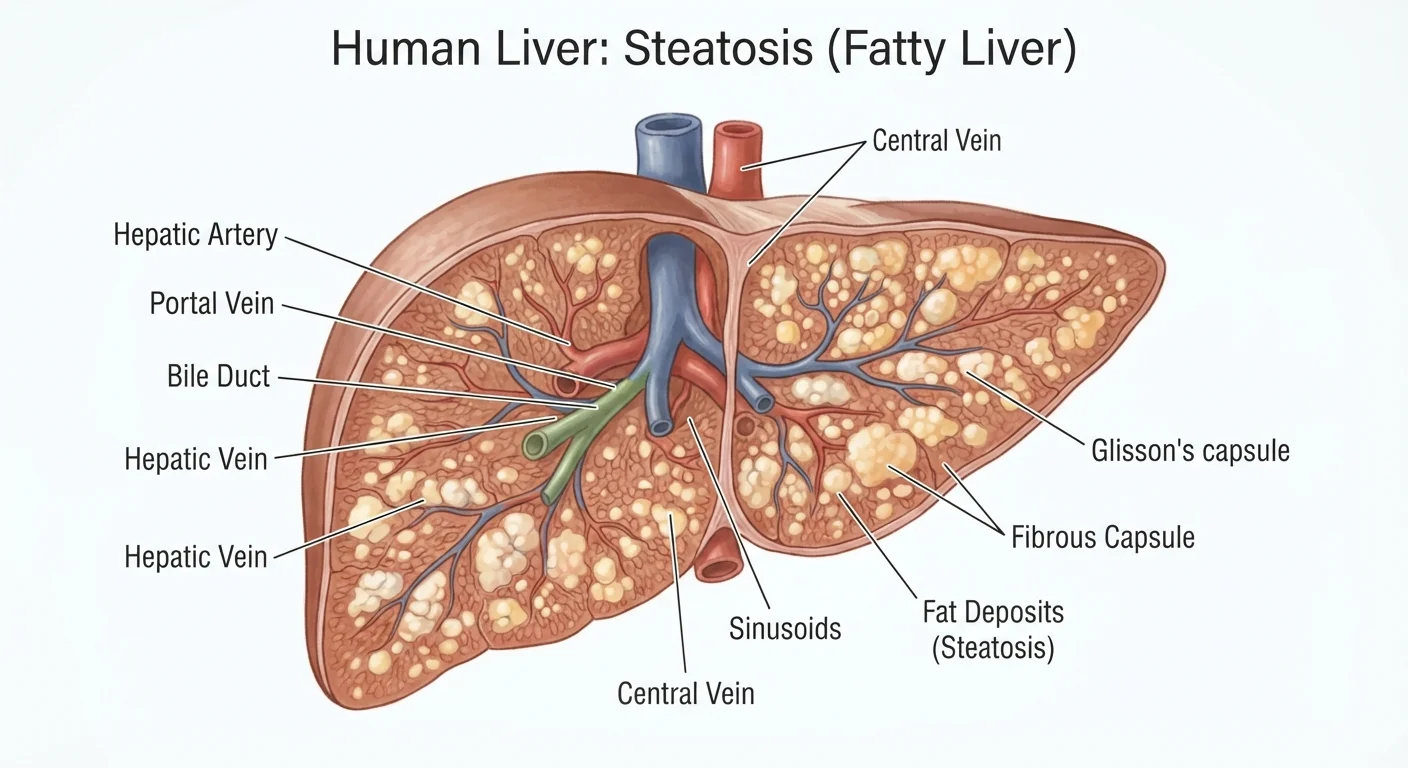
Fatty Liver Disease: What the Diagnosis Means in Plain Terms
Non-alcoholic fatty liver disease is increasingly common, yet widely misunderstood. This e…
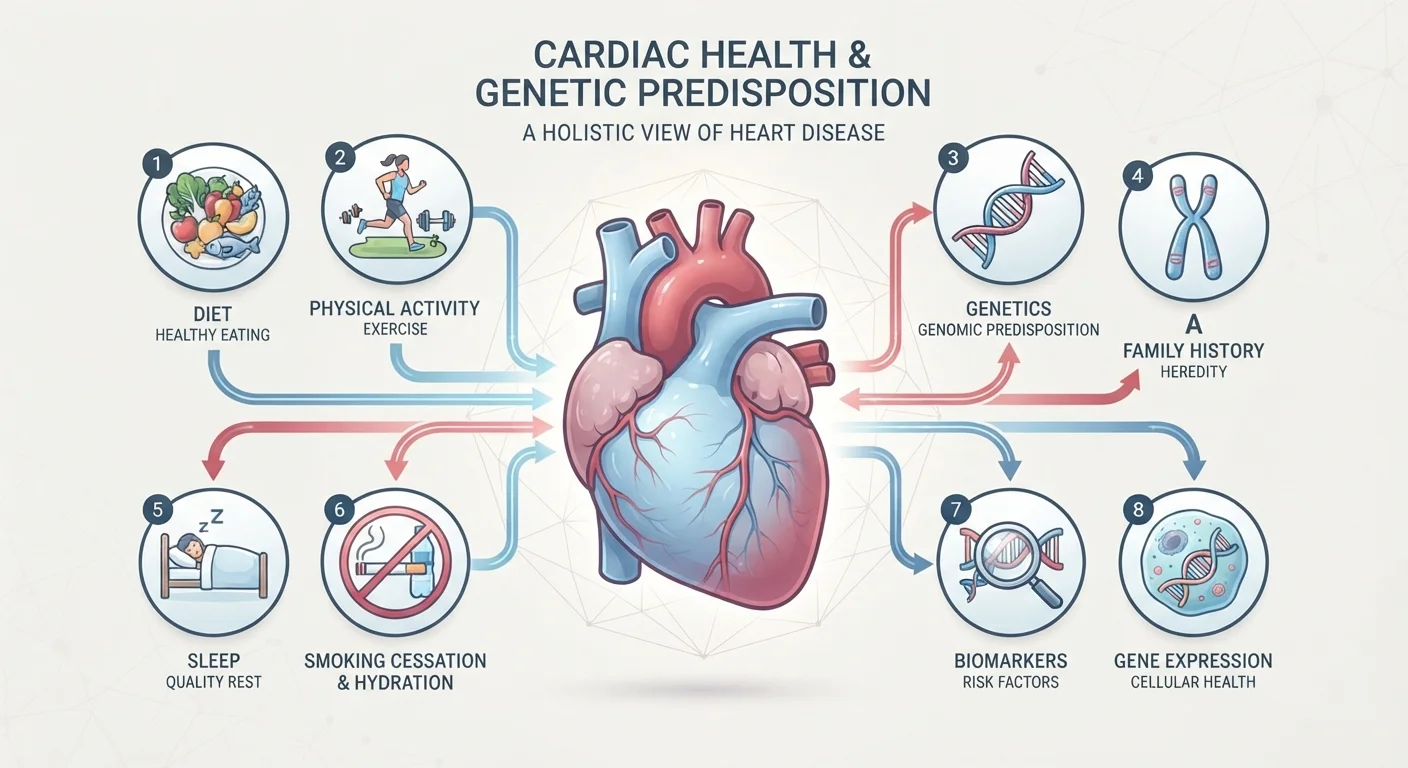
Heart Disease Risk Factors: What You Can and Cannot Control
Some cardiovascular risk factors are fixed; others respond to lifestyle changes. This over…
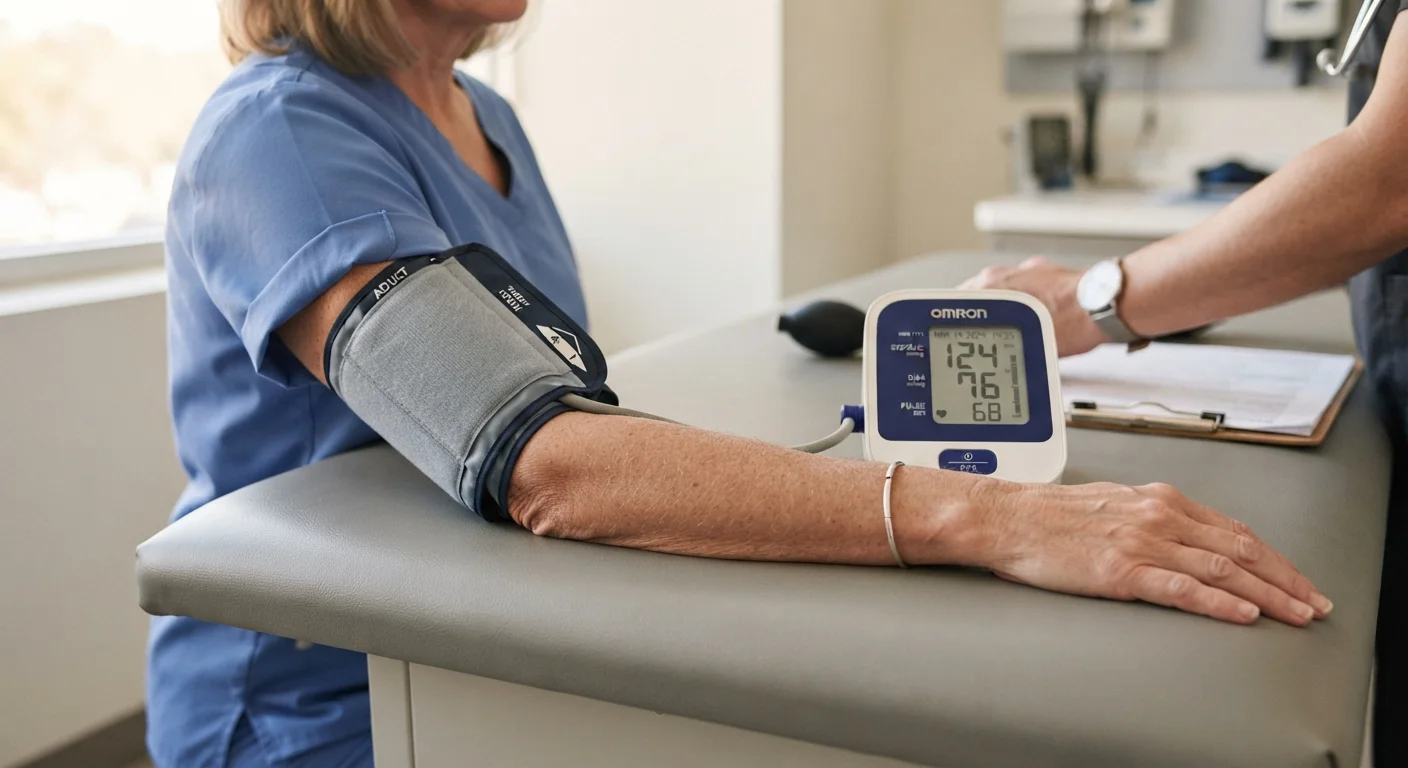
High Blood Pressure: The Numbers, the Risks, and What They Mean
Understand what hypertension readings actually tell you, why sustained high pressure matte…
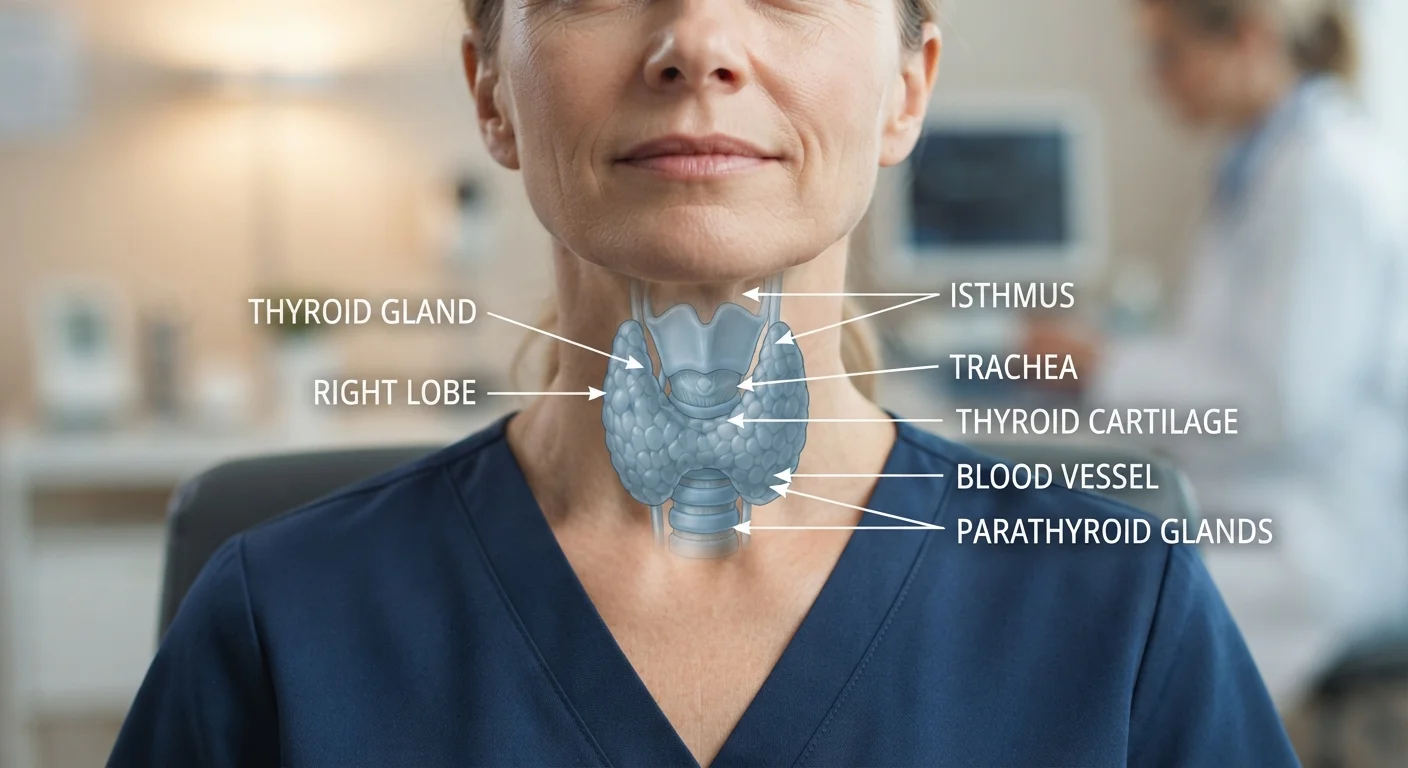
Hypothyroidism Myths That Keep People Confused
From sluggish metabolism to weight gain, common beliefs about an underactive thyroid often…

Living with Chronic Pain: What Research Says About the Experience
Chronic pain affects millions of adults. This article surveys what science understands abo…

Osteoarthritis and Rheumatoid Arthritis: Understanding Two Very Different Conditions
Both affect the joints, but their causes, patterns, and management differ significantly. H…
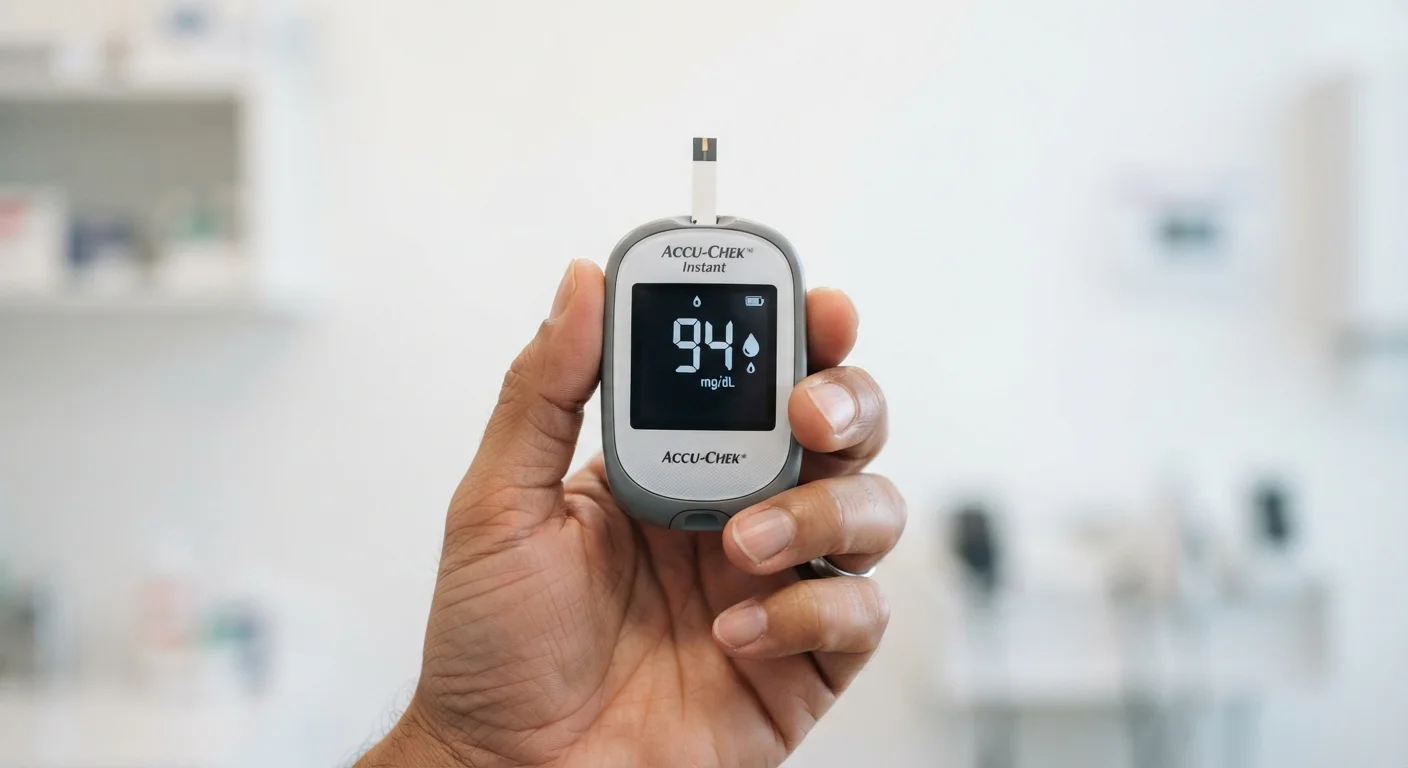
Prediabetes: The Warning Signs Adults Frequently Overlook
Prediabetes rarely causes noticeable symptoms, yet it is far from harmless. Learn what the…

Sleep Apnea: Symptoms, Types, and Why It Is Often Undiagnosed
Many adults have sleep apnea without knowing it. Explore the different forms of the condit…

Type 2 Diabetes: What It Is and How It Changes Daily Life
A clear, jargon-free overview of type 2 diabetes, how it develops, and what living with it…
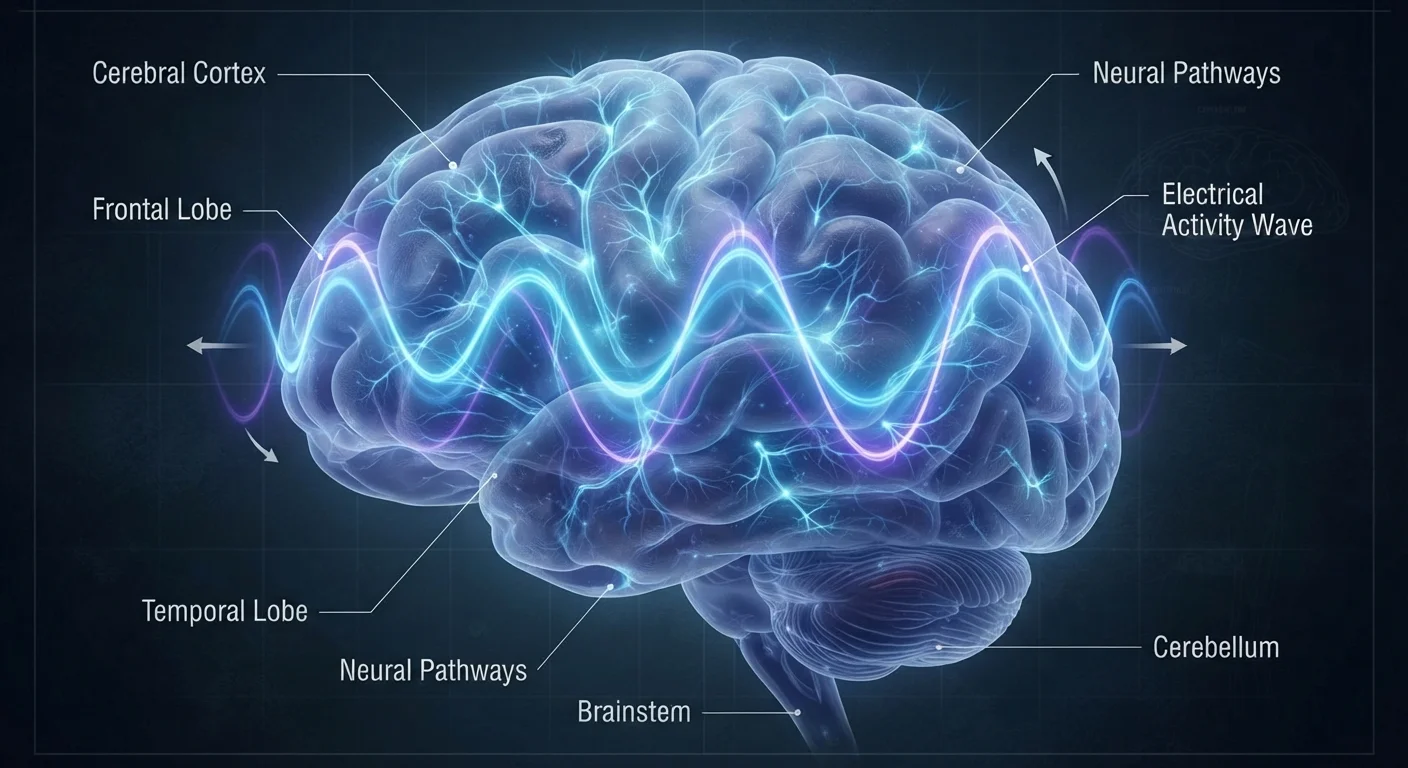
What Happens Inside Your Body During a Migraine
Migraines are more than bad headaches. Explore the neurological chain of events behind an …