

Key Takeaways
- Senior pets typically need veterinary checkups twice a year rather than once.
- Metabolism slows with age, making weight management and diet adjustments important.
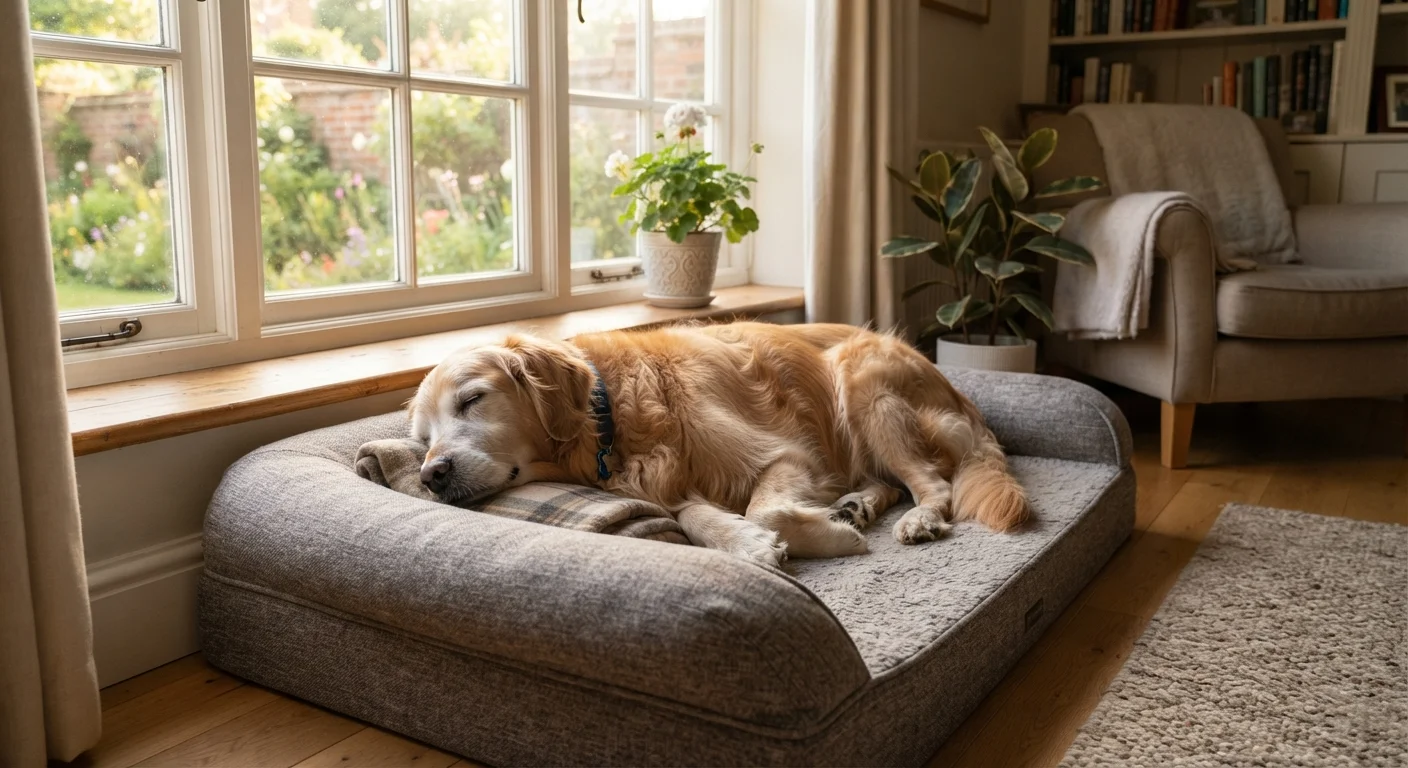
- Physical accommodations like orthopedic bedding and ramps can reduce daily discomfort.
- Behavioral and cognitive shifts in older pets are worth discussing with a veterinarian.
When does a pet become senior?
The answer varies by species and size. Dogs generally enter their senior years between ages 7 and 10, with larger breeds aging faster than smaller ones. Cats are typically considered senior around age 11, though some veterinarians begin senior-level monitoring at age 7. Rabbits, birds, and small mammals follow their own timelines.
The transition is not a sharp line but a gradual process. Paying attention to subtle shifts in energy, appetite, and behavior gives you an earlier window to act than waiting for an obvious decline. Compared to the early weeks of pet ownership, the senior stage asks for a different kind of attention: less about adjustment and more about ongoing monitoring.
How nutritional needs shift
A senior pet's metabolism slows, and its digestive system may become less efficient at absorbing certain nutrients. Many older dogs and cats benefit from food formulated for their life stage, which typically contains adjusted protein levels, added omega-3 fatty acids for joint support, and lower calorie density to prevent weight gain. Obesity in older pets strains joints and can worsen conditions like arthritis and diabetes.
At the same time, some senior pets lose weight unexpectedly, which can signal dental pain, organ disease, or other issues worth investigating. A drop in appetite warrants a conversation with your veterinarian rather than a simple diet switch. Any dietary change should happen gradually, over about one to two weeks, to avoid digestive upset.
Veterinary care in the senior years
Most veterinarians recommend moving from annual to twice-yearly wellness visits for senior pets, because conditions like kidney disease, dental disease, and thyroid dysfunction can progress quickly. Routine checkups at this stage often include bloodwork and urinalysis, which give the vet a baseline that makes future changes easier to spot.
Increased thirst or urination is one of the signs that sometimes appears in bloodwork before an owner notices it at home. The financial reality of more frequent care is worth anticipating. The ongoing costs of pet ownership tend to rise in the senior years, so building that into your planning helps.
Move to twice-yearly veterinary exams once your pet reaches senior age
Many age-related conditions, including kidney disease and hyperthyroidism in cats, show few outward signs in early stages. More frequent exams give the vet a chance to catch changes before they become serious.
Transition to an age-appropriate diet gradually, over one to two weeks
Abrupt food changes can cause digestive upset in pets of any age, but older pets with slower gut motility are especially susceptible. A slow transition also makes it easier to identify if the new food causes a reaction.
Add mobility aids to your home environment before problems become severe
Waiting until a pet visibly struggles means weeks or months of unnecessary discomfort. Orthopedic bedding, non-slip mats, and low-entry litter boxes are inexpensive adjustments that support joint health proactively.
Track your pet's weight monthly and note any changes
Both unexpected weight gain and unexplained weight loss in senior pets can indicate underlying health issues. A simple monthly weigh-in at home or at the vet gives you a trend to share with your veterinarian.
Observe behavioral changes and report them at vet visits
Disorientation, sleep changes, and decreased social interaction can signal cognitive dysfunction or pain, both of which are manageable when caught. Owners are often the first to notice these shifts.
Comfort and daily adjustments
Arthritis is common in older dogs and cats, and small accommodations can make a real difference: ramps instead of stairs, orthopedic bedding, and food and water bowls raised to a comfortable height. Exercise still matters, but the pace and duration should match what the pet can handle. Exercise needs shift across a pet's life, and what suited a two-year-old dog may exhaust a twelve-year-old one.
Cognitive changes are also possible in older pets. Disorientation, disrupted sleep, and decreased interaction can be signs of cognitive dysfunction, a condition a veterinarian can assess. Senior pets may also become more sensitive to changes in routine as their senses dull. Understanding what triggers anxiety can guide you in creating a calmer, more predictable environment for an older animal.
This article is for informational purposes only and does not constitute veterinary advice. Consult a licensed veterinarian for guidance specific to your pet's health and circumstances.