

Key Takeaways
- Many serious pet health conditions, including dental disease, heart murmurs, and early kidney decline, produce no obvious symptoms in early stages.
- Most healthy adult dogs and cats benefit from a veterinary exam once a year; senior pets generally need checkups every six months.
- Routine visits establish a health baseline, making it easier for your vet to notice gradual changes over time.
- Preventive care, including parasite control and vaccinations, is typically less expensive than treating conditions caught late.
- Skipping annual exams is one of the most common missteps new pet owners make, according to veterinary guidance.
Routine veterinary visit
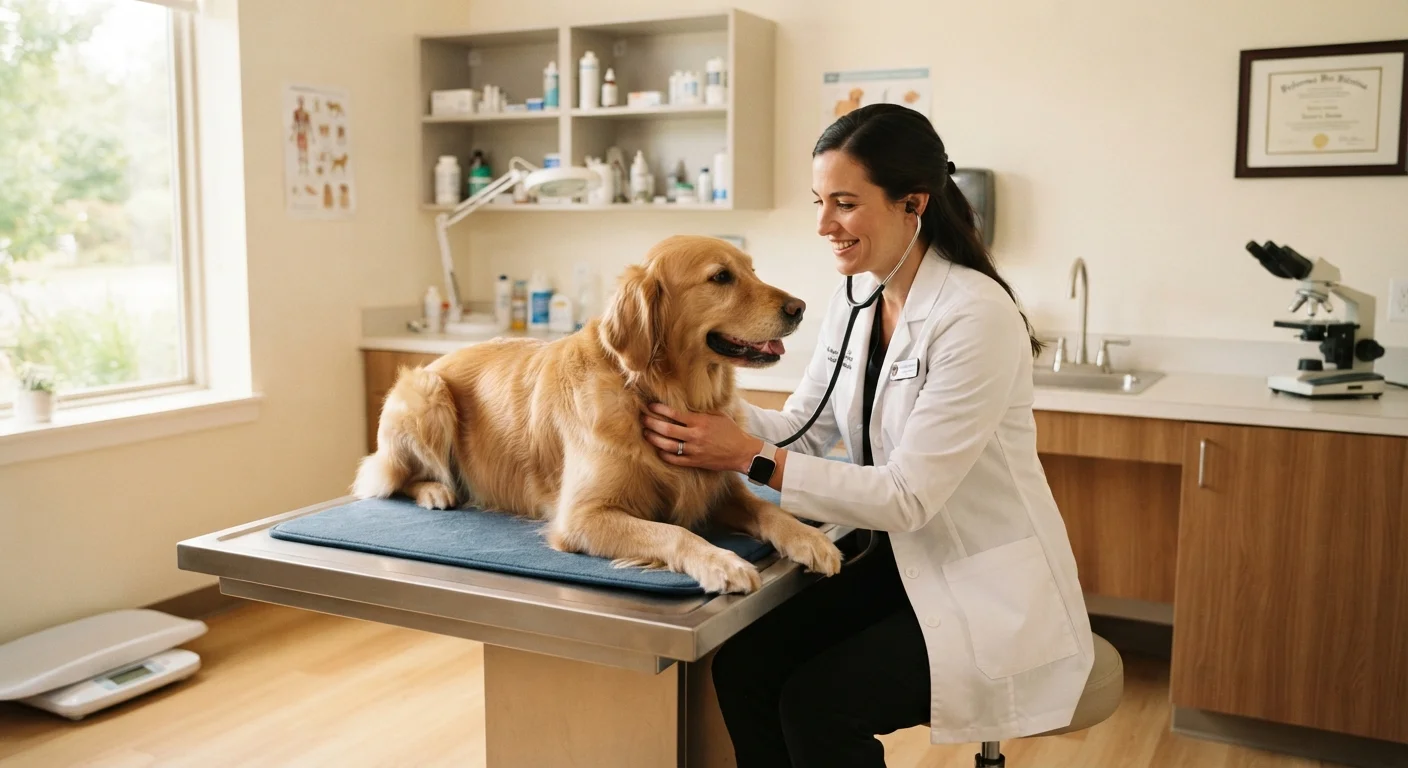
A routine veterinary visit is a scheduled wellness exam for a pet that appears healthy. The goal is prevention and early detection, not treatment of an active problem. A veterinarian checks the animal from nose to tail, reviews vaccination status, and screens for conditions the owner may not yet notice.
Veterinary professionals often call these "wellness exams" or "preventive care visits" to distinguish them from sick visits or emergency appointments.
Why waiting for symptoms is a gamble
Animals are quiet about pain. Dogs and cats evolved to mask vulnerability, which means by the time a pet shows obvious signs of illness, a problem may already be well advanced. Dental disease is a clear example: roughly 80 percent of dogs and 70 percent of cats show signs of periodontal disease by age three, according to the American Veterinary Medical Association, yet most owners never notice because bad breath is easy to overlook and pain rarely produces dramatic behavior changes in pets.
Conditions like early kidney disease, thyroid imbalance, and heart murmurs follow the same pattern. A veterinarian listening to a heart or reviewing bloodwork can detect these at a stage when management options are broader and less costly. Waiting until the pet stops eating or loses significant weight narrows those options considerably.
If you are newer to pet ownership, common first-year mistakes often include skipping the annual exam precisely because the pet looks fine. That instinct is understandable, but it works against the animal's long-term health.
What actually happens during a wellness exam
A routine visit covers more ground than most owners expect. The veterinarian will do a systematic physical assessment: eyes, ears, teeth and gums, lymph nodes, skin and coat, heart and lung sounds, abdomen, joints, and weight. Each element gives information that builds a picture of baseline health.
Vaccinations are reviewed against the pet's exposure risk and age. Core vaccines protect against serious diseases like rabies and distemper; non-core vaccines depend on where the animal lives and how it spends its time. Parasite prevention, including heartworm, flea, and tick control, is also assessed because the right protocol varies by region and season.
For pets over six or seven years old, the vet will often recommend basic bloodwork and a urinalysis alongside the physical exam. These panels can catch changes in kidney and liver function, thyroid levels, and blood cell counts before the pet shows any outward sign. As pets age, their care needs shift in ways a physical exam alone may not fully capture.
Make the most of your appointment
Write down any behavioral or physical changes you have noticed before the visit, even small ones like slightly increased water intake, a new sleeping position, or a change in coat texture. Vets rely heavily on owner observations, and details you might dismiss as minor can be clinically useful.
How often pets need to be seen
General veterinary guidance points to once a year for healthy adult dogs and cats. Puppies and kittens need more frequent visits in their first year to complete vaccination series and monitor development. Senior pets, typically those over seven years for most breeds, generally do better with exams every six months because age-related changes can progress quickly.
Exotic pets, including rabbits, birds, reptiles, and small mammals, have different schedules and need veterinarians with species-specific experience. Asking a general practice vet whether they routinely see your type of pet is a reasonable first question.
Frequency also depends on individual health history. A pet with a managed chronic condition may need more monitoring than the once-a-year baseline. Your vet is the right person to set that schedule based on your specific animal. Changes like increased water intake are the kind of thing worth flagging at a wellness visit rather than waiting to see whether it resolves on its own.
The practical case for preventive care
Preventive care tends to cost less than treating advanced disease, though that comparison depends heavily on the condition. Catching early dental disease allows for a cleaning rather than extractions. Identifying a thyroid problem before significant weight loss and organ stress gives more treatment options. Parasite prevention is far simpler than treating a heartworm-positive dog.
Pet ownership carries real financial weight beyond the initial adoption fee. The ongoing costs of pet care include routine vet visits, and building them into your annual budget is more manageable than facing an unexpected emergency bill. Some owners also explore wellness plan add-ons through pet insurance, though terms vary; reading the actual policy documents matters more than relying on a summary.
Beyond the financial side, routine visits keep you in a working relationship with a vet who knows your pet's history. That context makes a difference when something changes, because the vet is comparing your pet to its own prior baseline, not just to a textbook average.
This article is for general informational purposes only and is not a substitute for professional veterinary advice. Always consult a licensed veterinarian for guidance specific to your pet's health and circumstances.