

Key Takeaways
- Prediabetes causes few or no noticeable symptoms, so most people do not know they have it.
- Blood sugar in the prediabetes range can quietly damage nerves and blood vessels before a diagnosis.
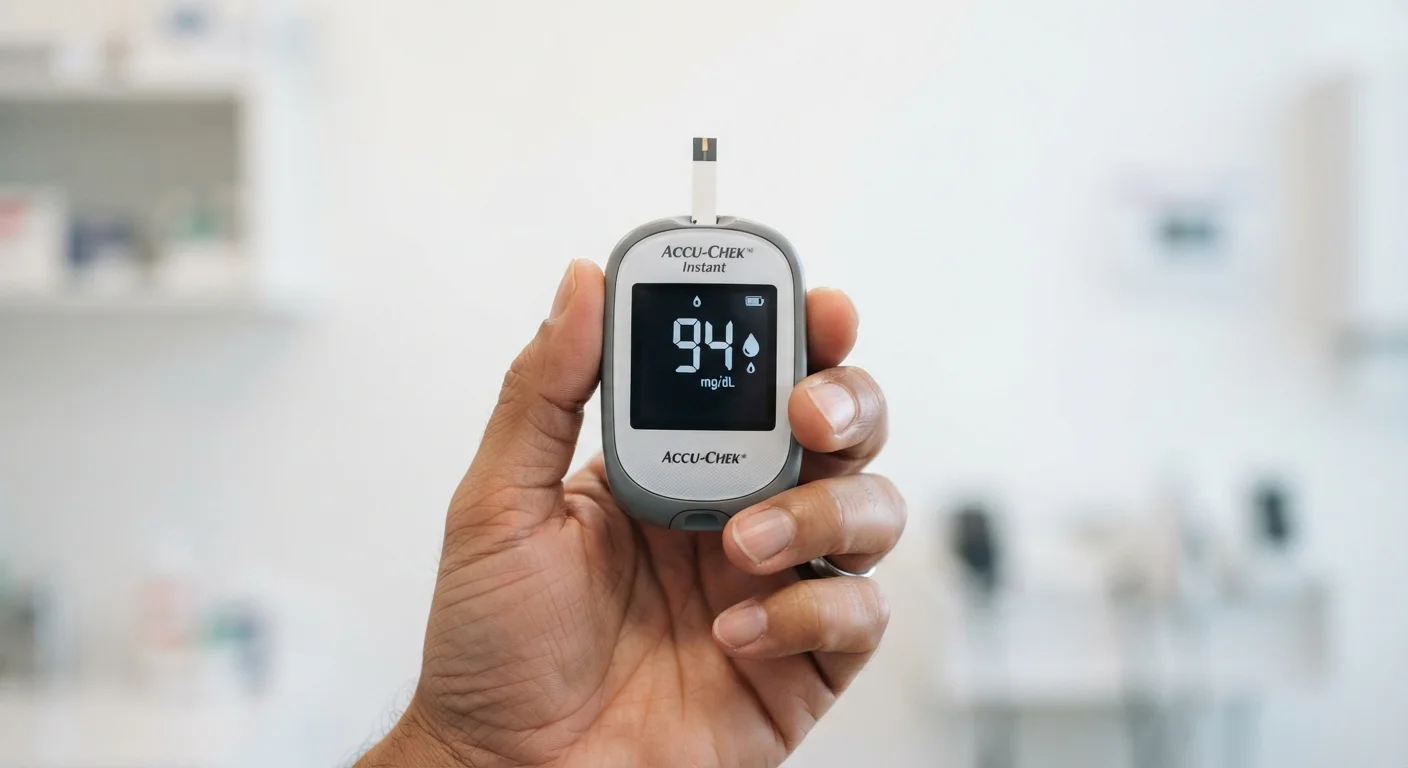
- Routine blood glucose testing is the only reliable way to detect prediabetes early.
- Lifestyle changes, particularly in diet and physical activity, can reverse prediabetes in many adults.
- Several common habits, including skipping routine checkups, delay detection by years.
What prediabetes actually is
Prediabetes means blood glucose (blood sugar) is higher than normal but not yet high enough to meet the threshold for type 2 diabetes. Specifically, a fasting blood glucose of 100 to 125 mg/dL, or an A1C (a three-month average of blood sugar levels) of 5.7% to 6.4%, falls in the prediabetes range according to the American Diabetes Association's clinical criteria.
The condition is not a minor blip. Blood sugar at those levels can begin damaging small blood vessels and nerves, raising the risk of heart disease, kidney problems, and vision changes. Without intervention, many adults with prediabetes progress to type 2 diabetes within five years. For a clear picture of what that progression looks like day to day, see our overview of type 2 diabetes.
Prediabetes is also closely tied to high blood pressure. The two conditions share common risk factors and often appear together. Understanding what blood pressure numbers mean can help adults interpret their full cardiovascular picture.
Common mistakes that delay detection
Because prediabetes rarely causes pain or obvious symptoms, the errors that keep it hidden tend to be errors of omission: things people do not do rather than wrong actions they take.
Assuming that no symptoms means no problem.
Why it happens: Most adults associate illness with a physical signal. Prediabetes produces none of the classic diabetes symptoms, such as frequent urination or extreme thirst, at most stages.
Skipping routine checkups because you feel healthy.
Why it happens: Annual physicals feel unnecessary when nothing is wrong. Adults in their 30s and 40s often go years between doctor visits, which means blood sugar is never tested.
Dismissing borderline test results without follow-up.
Why it happens: When a result is described as 'a little high' or 'borderline,' many people interpret that as reassurance rather than a call to act. The language of gradation can obscure the significance of the prediabetes range.
Attributing fatigue and brain fog to stress or poor sleep rather than blood sugar.
Why it happens: Mild fatigue and difficulty concentrating are so common in modern adult life that they rarely prompt a medical visit. The same symptoms can be early signals of blood sugar dysregulation.
Believing that prediabetes is only a concern for older or heavier adults.
Why it happens: Public messaging about diabetes risk has historically centered on older age and high body weight, so younger adults or those with a moderate weight may not see themselves as candidates for screening.
This article is for general health information only and is not a substitute for advice from a qualified healthcare professional. If you have concerns about your blood sugar or overall health, consult your doctor.
Why early awareness changes outcomes
98 million
U.S. adults estimated to have prediabetes
According to the CDC, approximately 98 million American adults have prediabetes, and more than 80% do not know it.
80%+
Adults with prediabetes who are unaware
The CDC reports that more than 80% of adults with prediabetes have not received a diagnosis, largely because the condition produces no clear symptoms.
5-7%
Weight reduction linked to reduced progression risk
CDC-recognized lifestyle intervention programs cite 5% to 7% modest weight loss, combined with activity, as associated with meaningful reductions in progression to type 2 diabetes.
The most important fact about prediabetes is that it is not inevitable. Research published in clinical guidelines from the Centers for Disease Control and Prevention shows that modest weight loss (around 5% to 7% of body weight) combined with increased physical activity can reduce progression to type 2 diabetes significantly. That does not mean everyone will achieve the same result, and individual outcomes vary. What it does mean is that a diagnosis at the prediabetes stage, rather than at full type 2 diabetes, gives adults a meaningful window to act.
Routine blood testing remains the only gate to that window. Adults who meet risk criteria, including age 45 or older, a body mass index above 25, a family history of diabetes, or a history of gestational diabetes, should ask their doctor about screening schedules. Waiting for symptoms to appear is, itself, one of the most common and consequential mistakes on this list.