

Key Takeaways
- Blood pressure readings have two numbers: systolic (top) reflects pressure when the heart beats, diastolic (bottom) reflects pressure between beats.
- Hypertension is defined as a sustained reading at or above 130/80 mmHg under current U.S. guidelines.
- Most people with high blood pressure have no symptoms, which is why regular measurement matters.
- Sustained high pressure raises the risk of heart attack, stroke, kidney disease, and vision loss.
- Lifestyle factors including weight, sodium intake, physical activity, and sleep all affect blood pressure.
- A healthcare provider is the right person to interpret your readings and recommend next steps.
High blood pressure (hypertension)
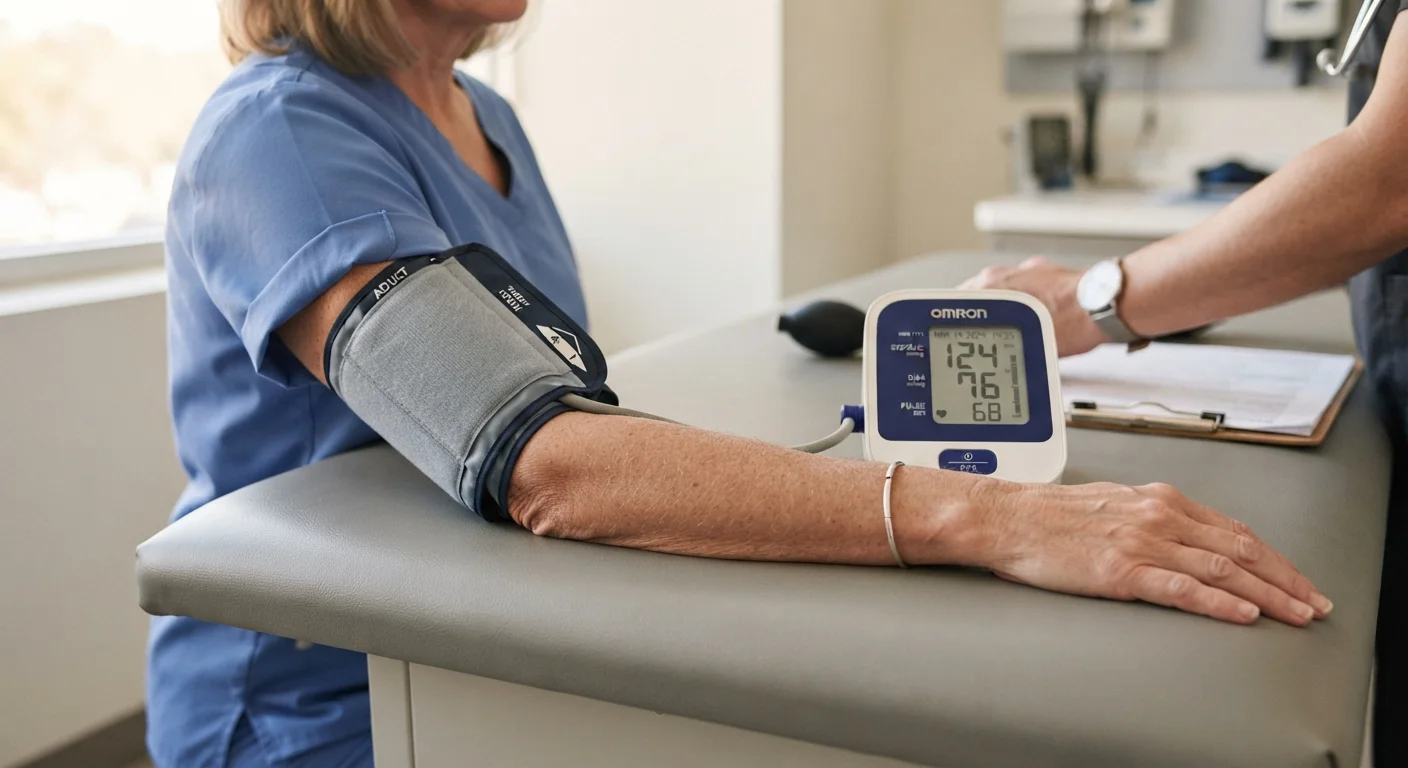
Blood pressure is the force that circulating blood places against the walls of your arteries. High blood pressure, clinically called hypertension, means that force is consistently too high. Over time, that excess pressure damages artery walls and strains the heart and other organs. It is diagnosed from repeated measurements, not a single reading.
Blood pressure is expressed as systolic pressure over diastolic pressure, measured in millimeters of mercury (mmHg). U.S. clinical guidelines from the American College of Cardiology define hypertension as a reading at or above 130/80 mmHg.
What the two numbers actually measure
Every blood pressure reading contains two values. The top number, systolic pressure, records the force in your arteries at the moment your heart contracts and pushes blood out. The bottom number, diastolic pressure, records the force between beats, when the heart is at rest and refilling.
Both numbers matter. Isolated high systolic pressure is common in older adults and raises the risk of stroke. Elevated diastolic pressure is more common in younger adults and signals increased resistance in smaller blood vessels. A provider considers both values together, not in isolation.
Readings fluctuate throughout the day. Physical activity, stress, caffeine, full bladder, and even the act of talking during measurement can push numbers higher temporarily. Hypertension is a pattern of sustained elevation, not a spike.
How blood pressure categories are defined
The American College of Cardiology and the American Heart Association set widely used thresholds for U.S. adults:
- Normal: below 120/80 mmHg
- Elevated: systolic 120-129 and diastolic below 80
- Stage 1 hypertension: systolic 130-139 or diastolic 80-89
- Stage 2 hypertension: systolic 140 or higher, or diastolic 90 or higher
- Hypertensive crisis: systolic above 180 and/or diastolic above 120 (requires immediate medical attention)
These categories guide clinical decisions, but they are not rigid cut-offs that automatically determine treatment. A provider weighs your full cardiovascular risk profile, which includes age, weight, family history, existing conditions, and other factors.
~47%
U.S. adults with hypertension
The Centers for Disease Control and Prevention estimates nearly half of American adults have high blood pressure under current diagnostic thresholds.
1 in 5
Adults with hypertension unaware of it
CDC data indicate roughly one in five people with hypertension do not know they have it, largely because the condition produces no noticeable symptoms.
No. 1
Modifiable risk factor for stroke
The American Heart Association identifies high blood pressure as the single most important modifiable risk factor for stroke in the United States.
Why sustained high pressure harms the body
Artery walls are elastic, designed to expand and contract with each heartbeat. Chronic high pressure forces them to expand beyond their normal range repeatedly, which gradually stiffens and thickens the walls. Stiff arteries are less able to buffer pressure changes, and narrow arteries reduce blood flow to organs.
The heart responds to increased resistance by working harder to push blood through. Over years, that extra effort can enlarge the left ventricle and weaken the heart muscle, raising the risk of heart failure. The connection to cardiovascular disease is direct; for a broader look at how controllable and fixed risk factors interact, see heart disease risk factors explained.
The kidneys filter blood through a dense network of small vessels that are particularly vulnerable to pressure damage. Hypertension is one of the leading causes of chronic kidney disease in the United States. The eyes contain similarly fragile vessels; persistent high pressure can damage the retina, in a condition called hypertensive retinopathy.
Stroke risk rises because high pressure can rupture weakened vessels in the brain or dislodge arterial plaque that then blocks blood flow. These effects build silently over years, which is the core reason awareness and measurement matter before symptoms appear.
Factors that raise blood pressure
Some contributors are not modifiable. Age is the most consistent one: arteries stiffen naturally over time, and systolic pressure tends to rise with each decade. Family history also matters; hypertension clusters in families, suggesting a genetic component.
Many contributors do respond to change. High sodium intake causes the body to retain water, increasing blood volume and pressure. Physical inactivity allows the heart and vessels to become less efficient. Excess weight increases the volume of blood the heart must move. Chronic poor sleep, heavy alcohol use, and sustained psychological stress are each independently associated with elevated readings.
Certain medications can raise blood pressure as a side effect, including some decongestants, nonsteroidal anti-inflammatory drugs (NSAIDs), hormonal contraceptives, and stimulants. Always tell a prescribing provider about a hypertension diagnosis so they can weigh these interactions.
Conditions such as sleep apnea, thyroid disorders, and kidney disease can also drive secondary hypertension. If standard treatment is not controlling readings, a provider may investigate underlying causes.
Because hypertension shares several risk factors with prediabetes, including excess weight and physical inactivity, people managing one condition are often screened for the other. Prediabetes warning signs in adults explains what to watch for and why early awareness matters.
This article is for general informational purposes only and is not medical advice. Consult a qualified healthcare provider for guidance on your personal health situation, including interpretation of blood pressure readings, diagnosis, and treatment decisions.