

Key Takeaways
- Your lease is the first place to look when responsibility for a repair is unclear.
- Renters are generally responsible for minor upkeep and damage they cause; landlords must maintain habitable conditions.
- State landlord-tenant laws set a floor that lease terms cannot go below.
- Documenting the unit's condition at move-in and move-out protects you in any dispute.
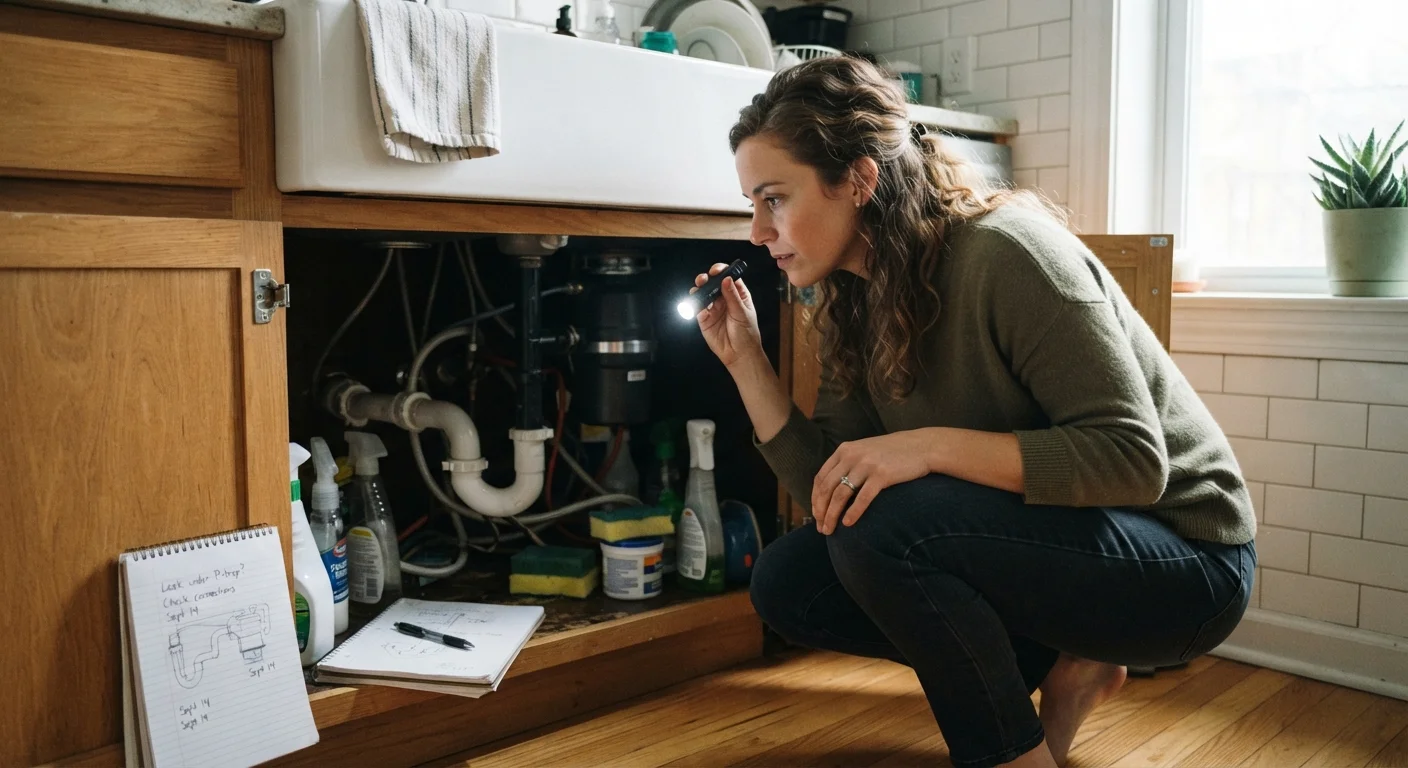
- Reporting issues promptly in writing limits your liability if a small problem grows.
Start here
Why the line between landlord and renter is blurry
Next
What renters are typically responsible for
Then
What landlords are typically responsible for
Apply it
How to document everything
Why the line between landlord and renter is blurry
Most renters sign a lease without reading every clause carefully, then discover only when something breaks that their understanding of who handles what was incomplete. The confusion is understandable: leases vary widely, state laws differ, and the same repair can fall to different parties depending on how the damage happened.
Two sources govern maintenance responsibility in any tenancy. First, the lease contract you signed. Second, your state's landlord-tenant law, which sets baseline requirements neither party can waive in the lease. When those two sources conflict, the law usually wins.
Habitability
The legal standard requiring a rental unit to be safe, sanitary, and livable. Landlords must maintain this standard regardless of what a lease says.
Normal wear and tear
The gradual, expected deterioration of a property from ordinary use over time. Landlords cannot charge tenants for this type of aging.
Lease addendum
A written attachment to a lease that modifies or adds to the original terms. Any agreed-upon changes to maintenance responsibilities should appear here.
Security deposit
Money paid by a renter before moving in, held by the landlord to cover unpaid rent or damage beyond normal wear and tear.
Move-in inspection
A walkthrough of the rental unit, typically at the start of a tenancy, used to document existing damage so renters are not blamed for it later.
The practical starting point is always your lease. Read the maintenance and repair section before you have a problem, not after. If your lease is vague, your state's tenant rights statutes fill the gaps.
State law sets the floor
Landlord-tenant law varies by state, and in some cities by local ordinance. A lease can give renters more protection than state law provides, but it generally cannot take away rights the law grants. When your lease and state law conflict, state law usually controls. Check your state attorney general's website or a local tenant rights organization for specifics.
What renters are typically responsible for
Renters are generally responsible for routine upkeep and for damage they or their guests cause. Common examples include:
- Keeping the unit clean and free of conditions that attract pests
- Replacing interior light bulbs and batteries in smoke and carbon monoxide detectors
- Unclogging drains blocked by hair or debris (not a structural blockage in the building's pipes)
- Disposing of trash promptly and properly
- Reporting any damage or malfunction to the landlord in writing as soon as it appears
- Avoiding modifications to the unit without written permission
Damage you cause, whether accidental or through neglect, is your financial responsibility. That includes a window broken by a thrown object, flooring warped by a pet's accident, or a hole punched in drywall. This is distinct from normal wear and tear, which is the natural aging of materials over time. See how long common home systems and materials typically last for context on what counts as expected aging versus damage.
What landlords are typically responsible for
Landlords must maintain the rental unit in a habitable condition. That means keeping the structure sound, systems functional, and the unit safe from health hazards. Typical landlord obligations include:
- Maintaining the roof, walls, and foundation
- Keeping plumbing, electrical, and heating systems in working order
- Addressing mold, pest infestations, or other health hazards
- Ensuring common areas in multi-unit buildings are safe and clean
- Replacing or repairing appliances provided as part of the rental
When a repair falls under this category, your landlord must act within a reasonable time after receiving written notice. What counts as reasonable depends on severity: a heating failure in winter is treated differently than a slow-draining bathroom sink.
For work involving electrical, gas, or structural systems, a licensed contractor is required in most jurisdictions. Understanding which tasks genuinely require a professional helps you assess whether a landlord's response is appropriate.
Never attempt electrical or gas repairs yourself
Work involving electrical wiring, gas lines, structural elements, or the main plumbing supply is regulated and typically requires a licensed professional. If your landlord fails to address a hazardous condition, document it, send written notice, and contact your local housing authority rather than attempting the repair yourself.
How to document everything
Documentation is the most practical thing a renter can do to protect themselves. Start before you move in.
At move-in
Walk through every room with your landlord or property manager and note existing damage in writing. Take dated photos or video of anything that is scratched, stained, broken, or worn. Both parties should sign the inspection form. This record prevents the landlord from attributing pre-existing damage to you when you move out. A room-by-room checklist can help you structure this walkthrough systematically, even though it is written for new owners.
During your tenancy
Keep copies of every maintenance request and every response. Email is the simplest method: it timestamps both your report and any reply. If a landlord promises a repair verbally, follow up with a written message summarizing the conversation and the agreed timeline.
Send a written record every time
Even if your landlord prefers phone calls, follow up every conversation with a brief email or text summarizing what was discussed. This creates a timestamped paper trail that can protect you if a dispute arises over whether you reported an issue promptly.
At move-out
Repeat the same walkthrough you did at move-in. Compare the current condition to your original photos. This comparison is what determines whether any deductions from your security deposit are legitimate.
When something breaks: what to do
When a problem appears, act quickly and in writing. A renter who delays reporting a leak and then faces water damage to the floor has a weaker position than one who reported it immediately. Prompt notice limits your liability.
If a landlord does not respond within a reasonable time, send a second written notice and keep a copy. For urgent habitability issues like heat loss, no running water, or a gas leak, contact your local housing authority or code enforcement office. They have authority to inspect and compel action.
Some states allow tenants to withhold rent or repair and deduct in extreme cases, but these remedies have strict procedural requirements. Applying them incorrectly can expose you to eviction. A local tenant advocacy organization or legal aid clinic can advise on whether those options apply in your situation.
Understanding what your renters insurance policy covers matters here too: if a burst pipe damages your belongings, that may be a covered loss on your policy even while the structural repair is your landlord's obligation.