

Key Takeaways
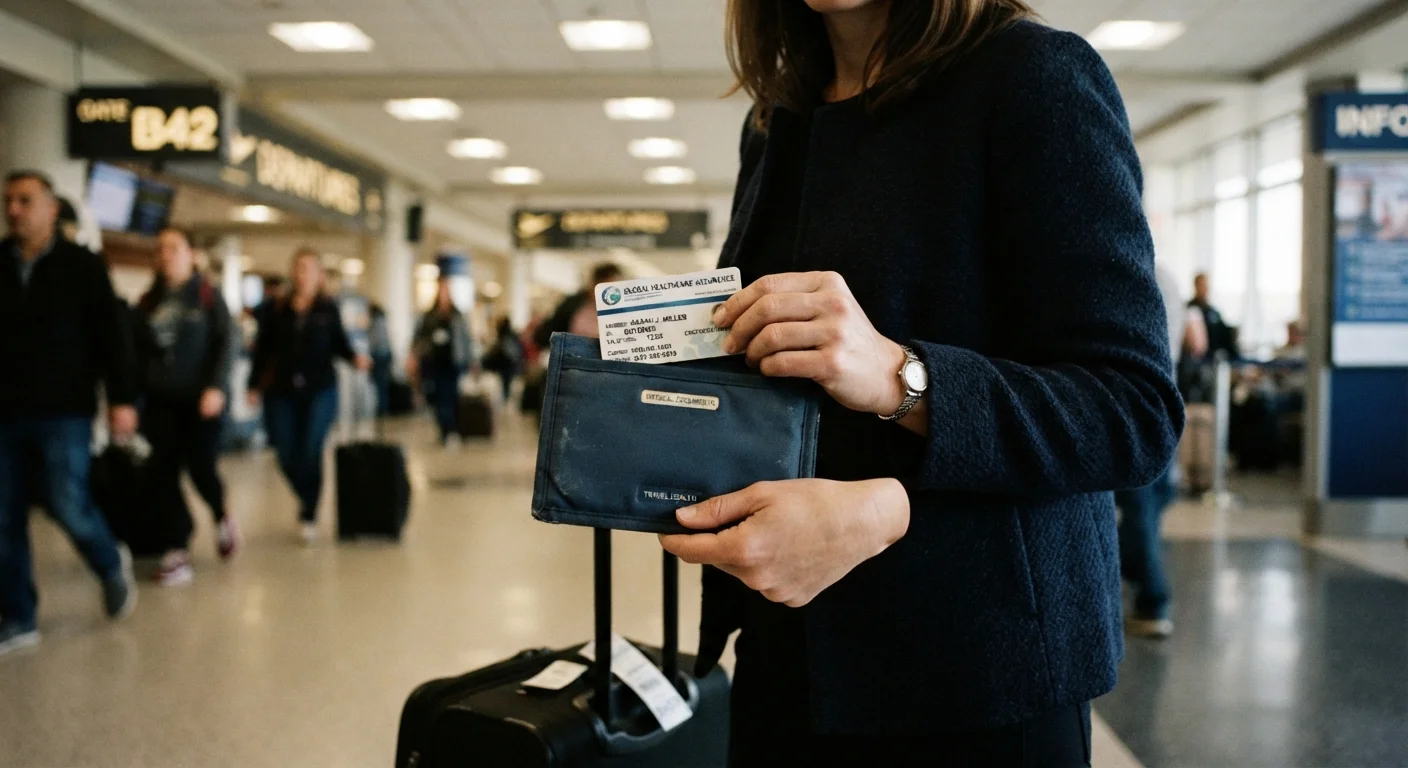
- Carry printed copies of your insurance card, prescriptions, and emergency contacts separately from your phone.
- Your country's embassy or consulate can help you locate vetted local medical providers abroad.
- Travel insurance with medical evacuation coverage is distinct from standard health insurance; verify what yours includes before departure.
- A brief written medical summary in the local language can speed up care when you cannot communicate verbally.
- Contact your insurer before seeking non-emergency care abroad to avoid claim denials later.
Summary
18 items · 20 to 40 minutes
Before you go: documents and information to prepare
Most medical problems that arise during travel are manageable when you have the right paperwork and a clear plan. The checklist below covers what to gather before departure and what to do once a situation occurs. Use it to audit your preparation, not as a substitute for advice from your own doctor or insurance provider.
Documents to carry
Insurance and coverage
Local care resources
Communication and language
For a broader look at organizing passports, confirmations, and entry forms alongside medical documents, see how to keep travel documents organized.
Who to contact when something goes wrong
Knowing the right call sequence before an emergency happens matters. Dialing randomly or searching the internet while unwell wastes time.
Your travel insurer. Most travel insurance policies with medical benefits have a 24-hour assistance line. Call it before you go to a clinic or hospital for anything that is not immediately life-threatening. The insurer may direct you to a network provider, pre-authorize treatment, or arrange payment directly so you are not left covering costs out of pocket.
The U.S. Embassy or nearest consulate. The U.S. Department of State operates the Smart Traveler Enrollment Program (STEP), which allows Americans abroad to register their trip and receive emergency alerts. Embassy staff cannot pay your medical bills or provide direct medical care, but they can provide lists of local doctors and hospitals, contact family on your behalf, and assist with emergency passport replacement if needed. The State Department's travel.state.gov site has country-specific emergency contact numbers.
Your hotel or accommodation. Front desk staff often have direct relationships with local clinics and can call or arrange transport. Do not overlook this resource, especially in countries where language is a barrier. See strategies for navigating a language barrier if communication is difficult.
Seek emergency services first in a life-threatening situation
If you or someone with you faces a life-threatening emergency, call the local emergency number immediately. Pre-authorization from your insurer and document-gathering come after you have stabilized. No coverage or paperwork requirement overrides immediate safety.
If you are traveling with medications, check that your packing list includes enough supply for the full trip plus a buffer for delays, along with written prescriptions from your prescribing doctor.