

Key Takeaways
- The Alaska cruise season runs from mid-May through mid-September, with July offering the most predictable weather.
- Most Inside Passage itineraries sail roundtrip from Seattle or Vancouver, or one-way between the two.
- Glacier viewing, wildlife watching, and Indigenous cultural sites are the main draws of this route.
- Layering is essential: Southeast Alaska weather is cool, wet, and changeable even in summer.
- Book shore excursions early, particularly small-boat tours and floatplane trips, as slots fill quickly.
What you will need
What the Inside Passage actually is
The Inside Passage is a coastal route that runs approximately 1,000 miles through a network of islands, fjords, and channels along the Pacific coast of Southeast Alaska and British Columbia. The surrounding landmass shelters vessels from open-ocean swells, which is why this stretch attracts travelers who prefer calmer water without sacrificing dramatic scenery.
Most mainstream cruise itineraries spend 7 nights on the water, though 10- and 14-night sailings exist. The route typically includes a mix of port calls in towns such as Juneau, Ketchikan, and Skagway, plus at least one slow cruise past a tidewater glacier. Before you commit to any specific itinerary, reading how cruise itineraries are structured will help you understand what a "scenic cruising day" means versus a full port day and how much time you actually spend ashore.
The Inside Passage is a domestic route for US citizens traveling roundtrip from Seattle. Itineraries that cross into Canadian waters or depart from Vancouver involve different entry requirements, so confirm passport and documentation needs with official government sources well before your sail date.
Choosing the right season
The Alaska cruise season opens in mid-May and closes around mid-September. Each window has trade-offs.
- May and early June: fewer crowds, lower fares common, but more rain and lingering snow at elevation. Wildlife is active and wildflowers are in bloom.
- July: the warmest, driest stretch. Daylight extends past 10 p.m. in Southeast Alaska. Popular sailings sell out months in advance.
- August: still reliable weather, active whale and bear feeding season, slightly fewer families than July.
- September: shoulder-season pricing returns, fall color begins, and some port-town businesses start reduced hours.
No window guarantees sunshine. Pack for rain regardless of when you sail.
Steps to plan your cruise
Use the steps below to move from initial research to a confirmed booking with logistics in place.
Set your departure port and direction
Most Inside Passage cruises depart from Seattle, Washington, or Vancouver, British Columbia. Roundtrip Seattle itineraries stay entirely in US and Canadian waters. One-way itineraries (Seattle to Vancouver or the reverse) are common and can simplify logistics if you want to fly into one city and out of another.
Cruises that sail into Whittier or Seward, near Anchorage, cover more of Southeast Alaska but require a longer voyage or a flight home from a different city. Confirm whether your preferred itinerary is roundtrip or one-way before building your travel logistics around it.
Compare itineraries by ports and glacier access
Not all Inside Passage itineraries include the same stops. Common ports include:
- Juneau: the state capital, accessible only by sea or air, with glacier walks and whale-watching nearby.
- Ketchikan: known for totem pole collections and a historic waterfront.
- Skagway: a gold-rush era town and the trailhead for the White Pass and Yukon Route railway.
- Icy Strait Point: a smaller, Indigenous-community-owned port with wildlife access.
- Sitka: a historic Russian-American colonial town with raptor center and harbor seals.
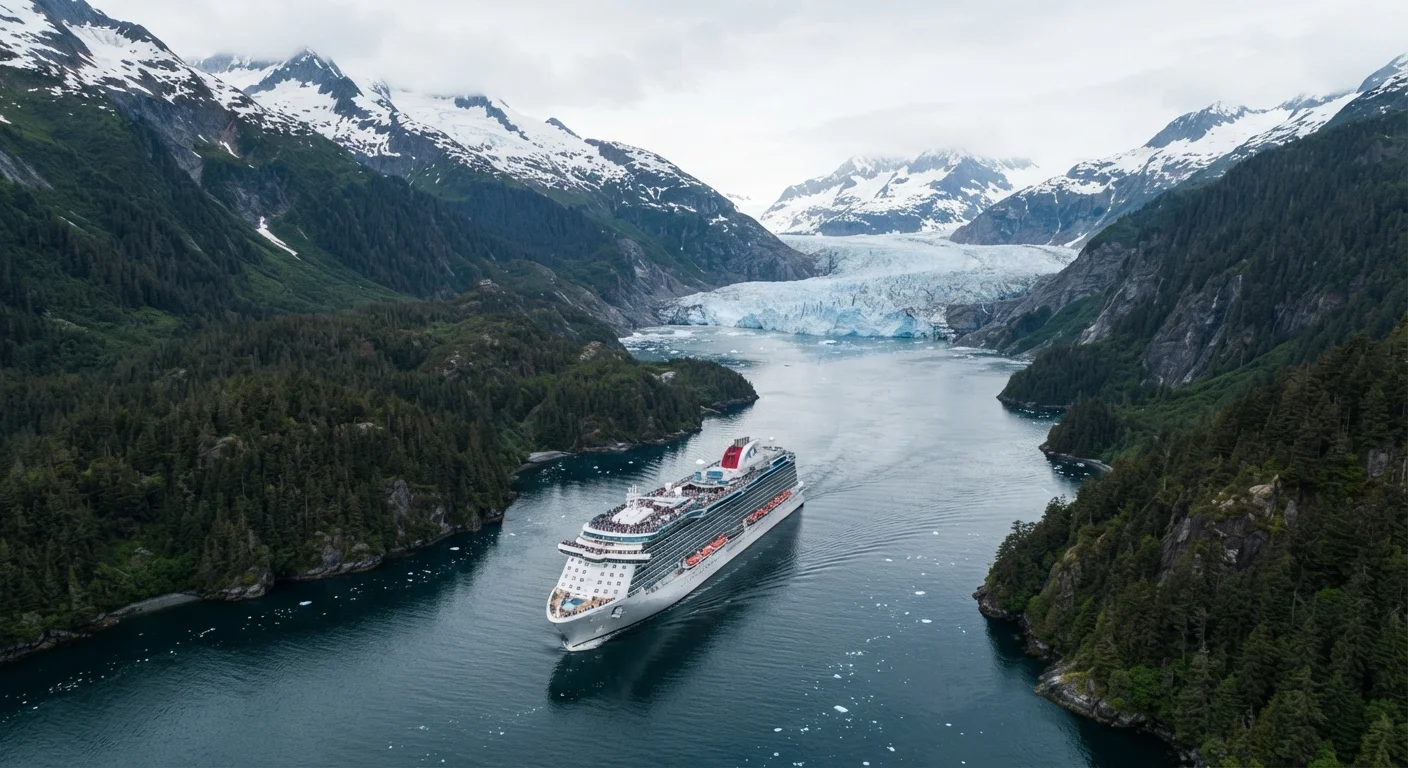
Glacier viewing is typically done while the ship is underway, most often at Glacier Bay National Park or Tracy Arm Fjord. Glacier Bay requires a special permit and is offered on select itineraries; not every sailing enters it. Confirm this specifically if glacier access is a priority.
Book shore excursions in advance
Alaska excursions with limited capacity sell out well before departure. Floatplane and helicopter tours, small-boat whale-watching trips, and guided glacier hikes are among the first to fill. Review available excursions when you book your cabin, not in the weeks before you sail.
You have two general options: book through the cruise line or independently through local operators. Cruise-line excursions carry a "guaranteed return" policy if a tour runs late; independent tours are often less expensive but that policy does not apply. If you book independently, leave a buffer between your tour's scheduled end time and the ship's all-aboard time.
Arrange travel insurance and pre- or post-cruise stays
Travel insurance for an Alaska cruise is general financial information, not personalized advice. Policies vary widely in what they cover for trip cancellation, medical evacuation, and missed departure. Read policy documents carefully and consult a licensed insurance agent if you have questions about what a specific policy covers.
Many travelers add a night or two in Seattle or Vancouver before their departure to avoid a last-minute scramble if flights are delayed. A post-cruise extension into Anchorage, Denali, or Fairbanks is a common option for travelers who want to combine sea and land experiences.
Prepare your documents and entry requirements
US citizens on roundtrip sailings from Seattle to US and Canadian ports need a valid passport or a passport card. Travelers who are not US citizens should verify entry requirements for Canada well in advance, as requirements for Electronic Travel Authorization (eTA) or visa may apply. Entry rules change; always verify current requirements through official US and Canadian government sources before you travel.
If the itinerary includes a stop at Glacier Bay, the ship handles park access. No separate National Park pass is needed by individual passengers.
Once your cabin category is set, understanding the trade-offs between inside cabins, balconies, and suites can help you weigh whether a glacier-view balcony is worth the added cost on this particular route. For the Inside Passage specifically, many travelers find a balcony worthwhile given how much time ships spend in scenic waterways.
Maximize glacier viewing time on deck
When the ship enters a glacier bay or fjord, many passengers stay inside or arrive late to the viewing deck. Position yourself on the bow or an upper forward deck at least 30 minutes before the announced arrival time. Binoculars help with spotting wildlife on ice faces and shoreline, so pack a compact pair in your day bag.
What to pack and how to prepare onboard
Southeast Alaska averages highs in the mid-50s to low 60s Fahrenheit in summer, with frequent rain. A waterproof outer layer is non-negotiable. Layering with moisture-wicking base layers and a mid-weight fleece covers most conditions you will encounter on deck or ashore.
Footwear matters more on this itinerary than on a Caribbean sailing. Many shore excursions involve walking on uneven ground, dock boardwalks, or trail surfaces. Waterproof hiking shoes or boots with grip are a practical choice. A thorough packing checklist for cruises covers documents, medications, and onboard essentials beyond clothing.
Travelers with mobility considerations should research ports individually. Ketchikan and Juneau have relatively accessible dock areas, but many small-boat excursions involve stepping onto vessels with limited accessibility. Planning a voyage with mobility or medical needs covers the questions to ask before booking.
If the wildlife-focused, expedition-style version of Alaska sailing interests you more than a resort-ship experience, expedition cruises explained describes how those sailings differ in ship size, pace, and access.
This article is for general informational purposes only. Entry requirements, schedules, and conditions change; verify current details with official government and cruise line sources before booking.